VIKUS Viewer
An open-source visualization system that makes large cultural image collections explorable through time, themes, and texture.
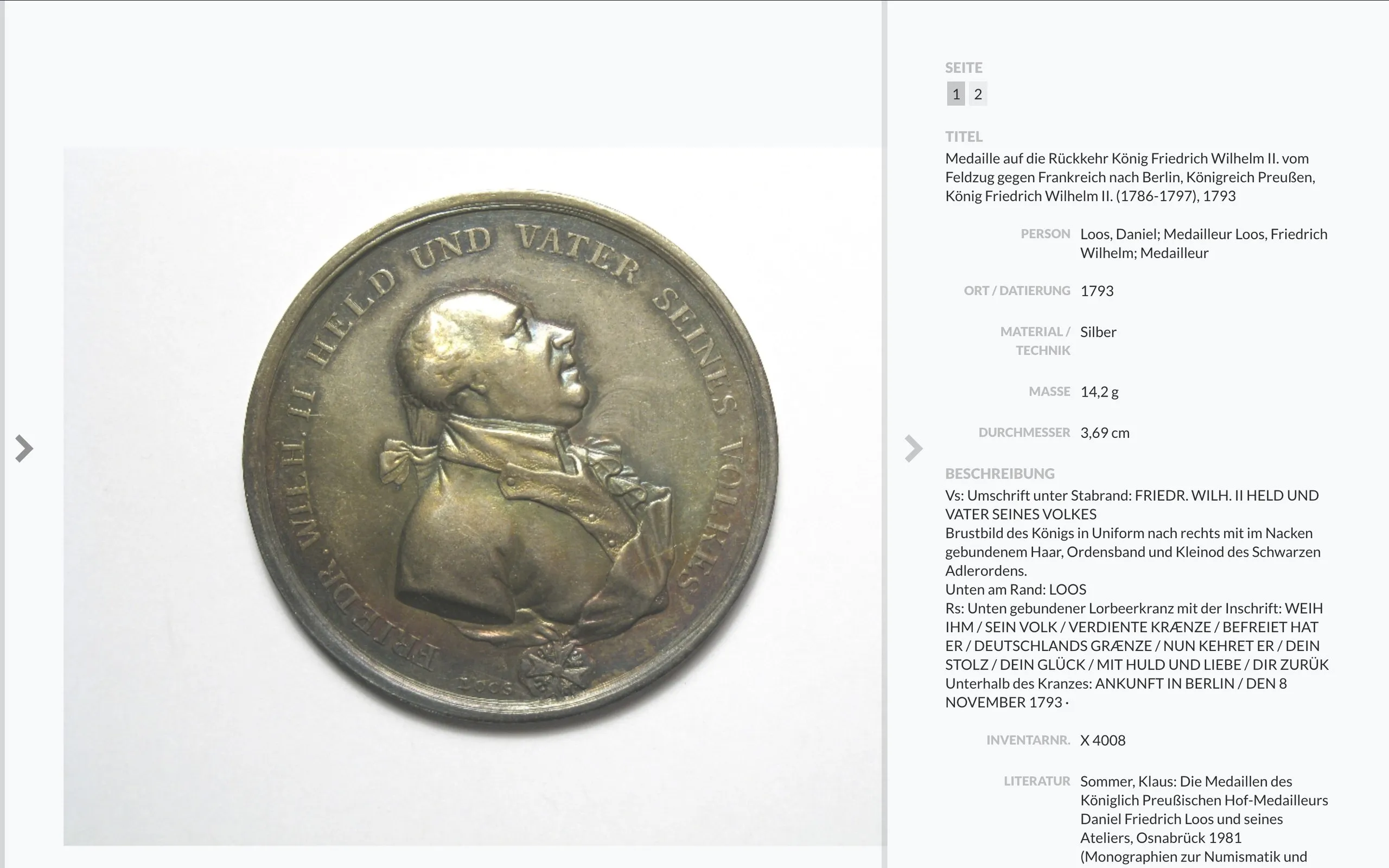
VIKUS Viewer is a web-based visualization system that arranges thousands of cultural artifacts on a zoomable canvas, from a collection-wide overview down to a single high-resolution image in one continuous movement, with no search box required.
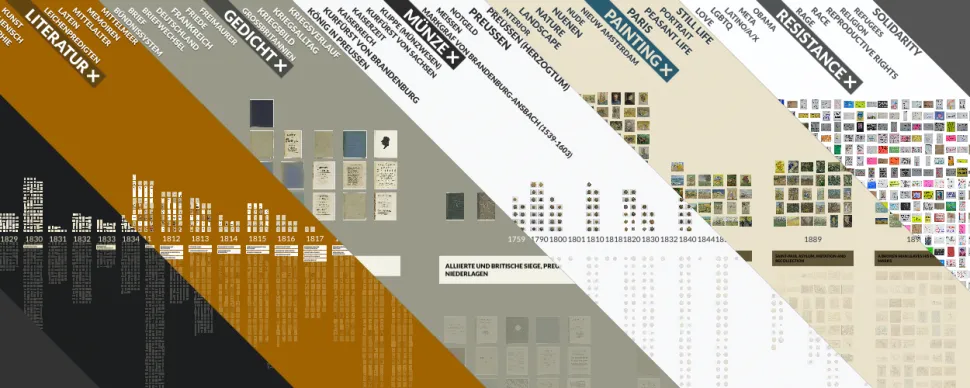
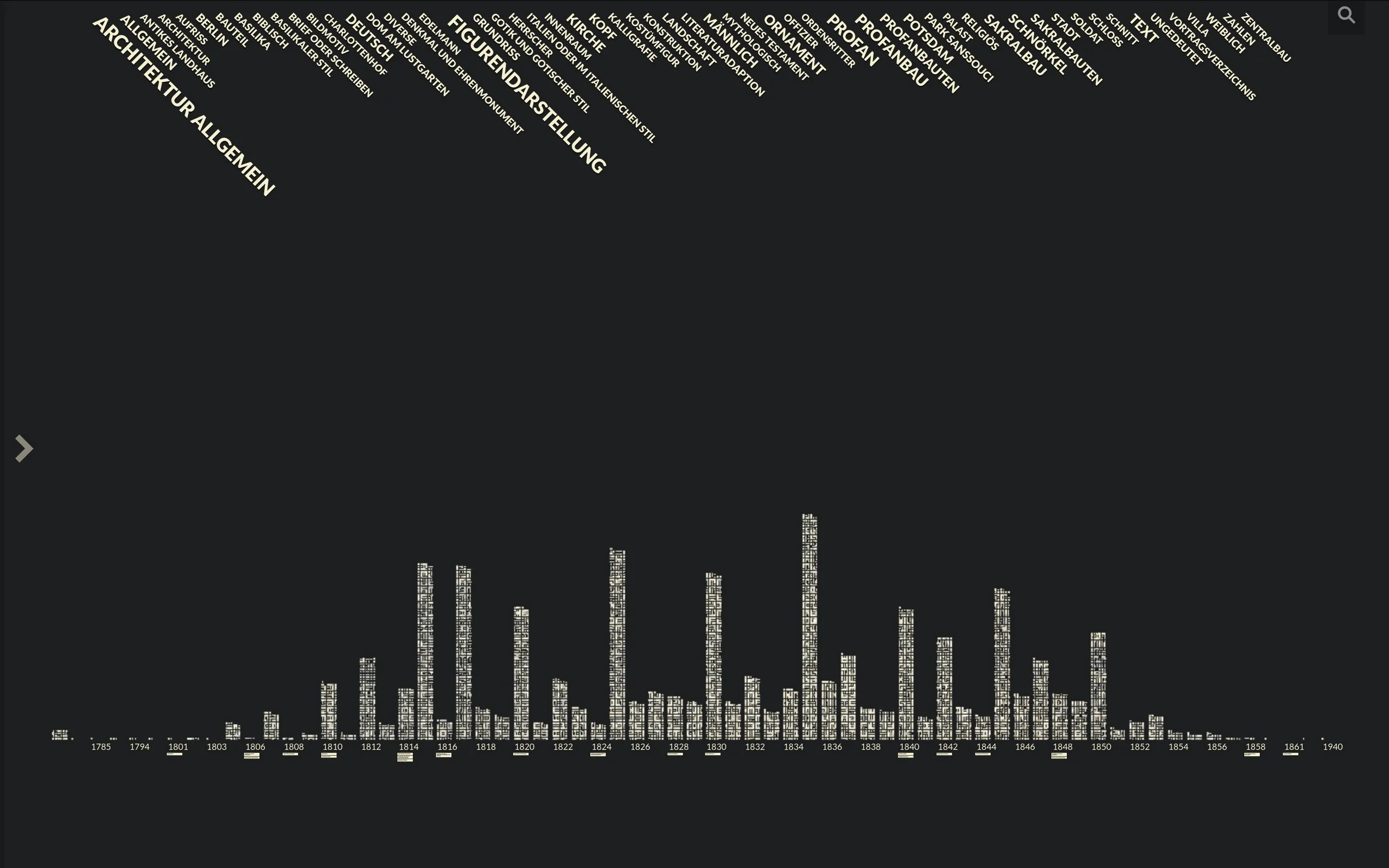
The system is built on a simple observation: to make sense of a cultural collection you need three fundamental facets: time, themes, and texture. When an artifact was created gives context to the themes it depicts and to its visual texture. VIKUS Viewer lets you explore a collection along all three at once: artifacts arranged on a semantic timeline, filtered by thematic keywords, studied up close as imagery.
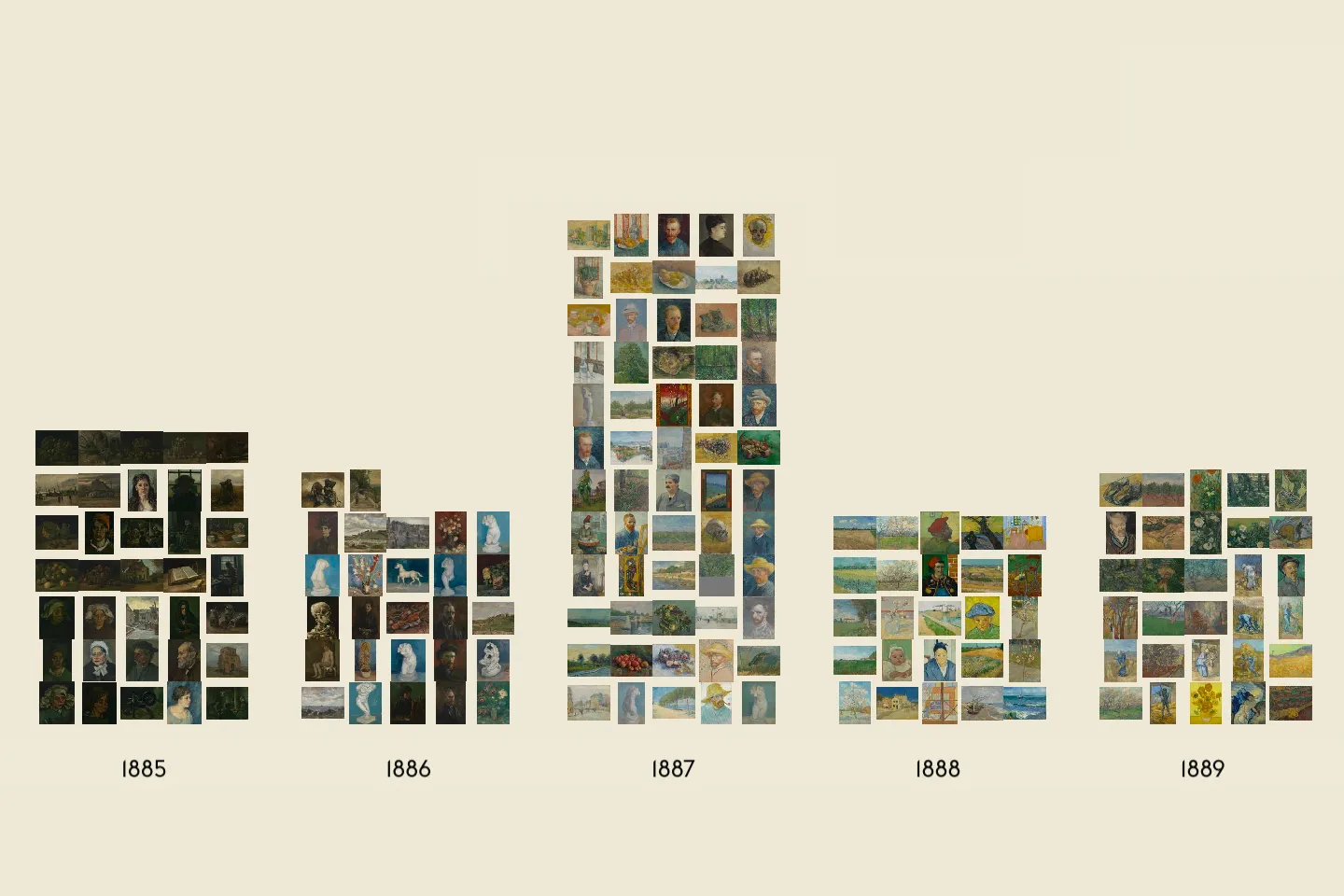
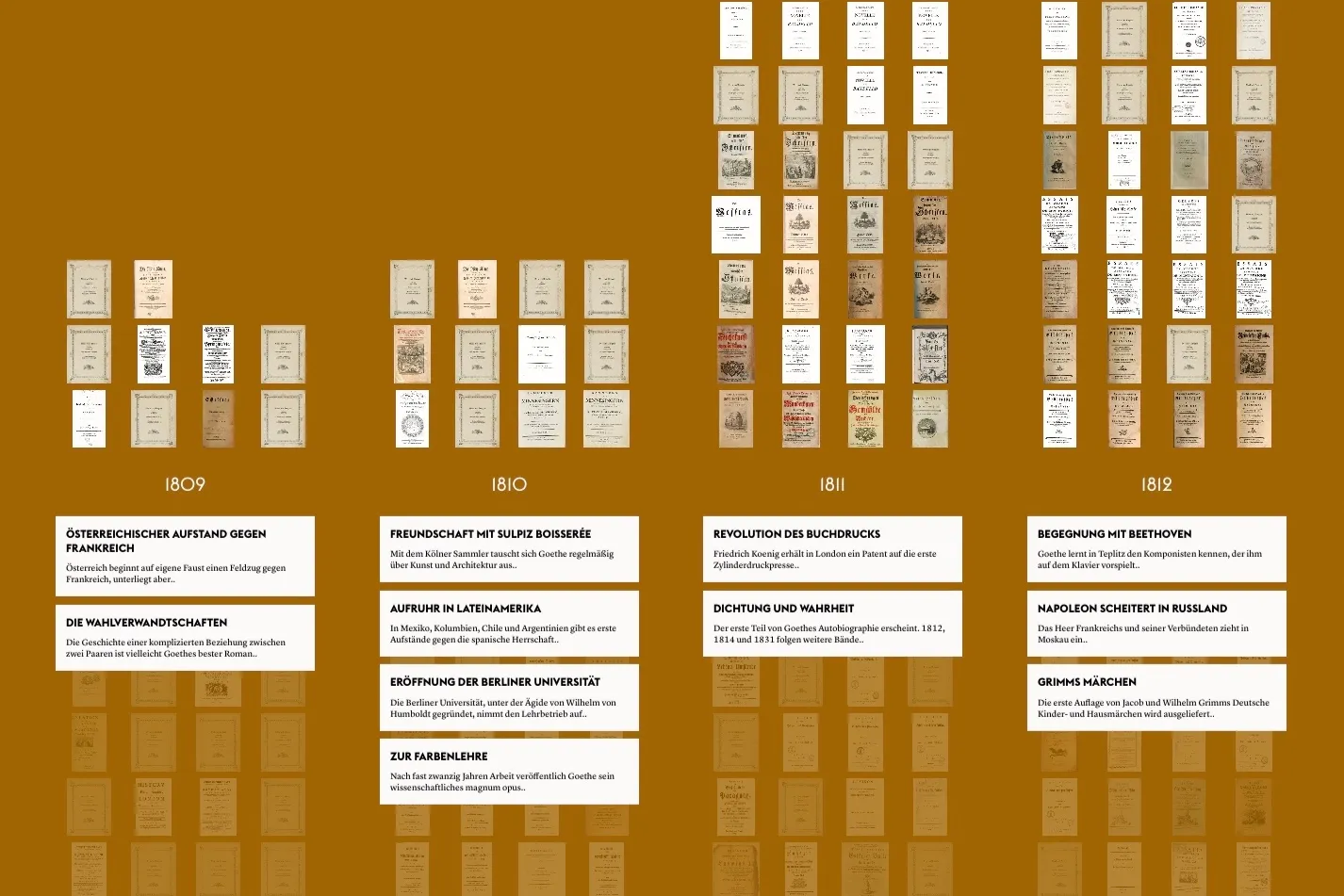
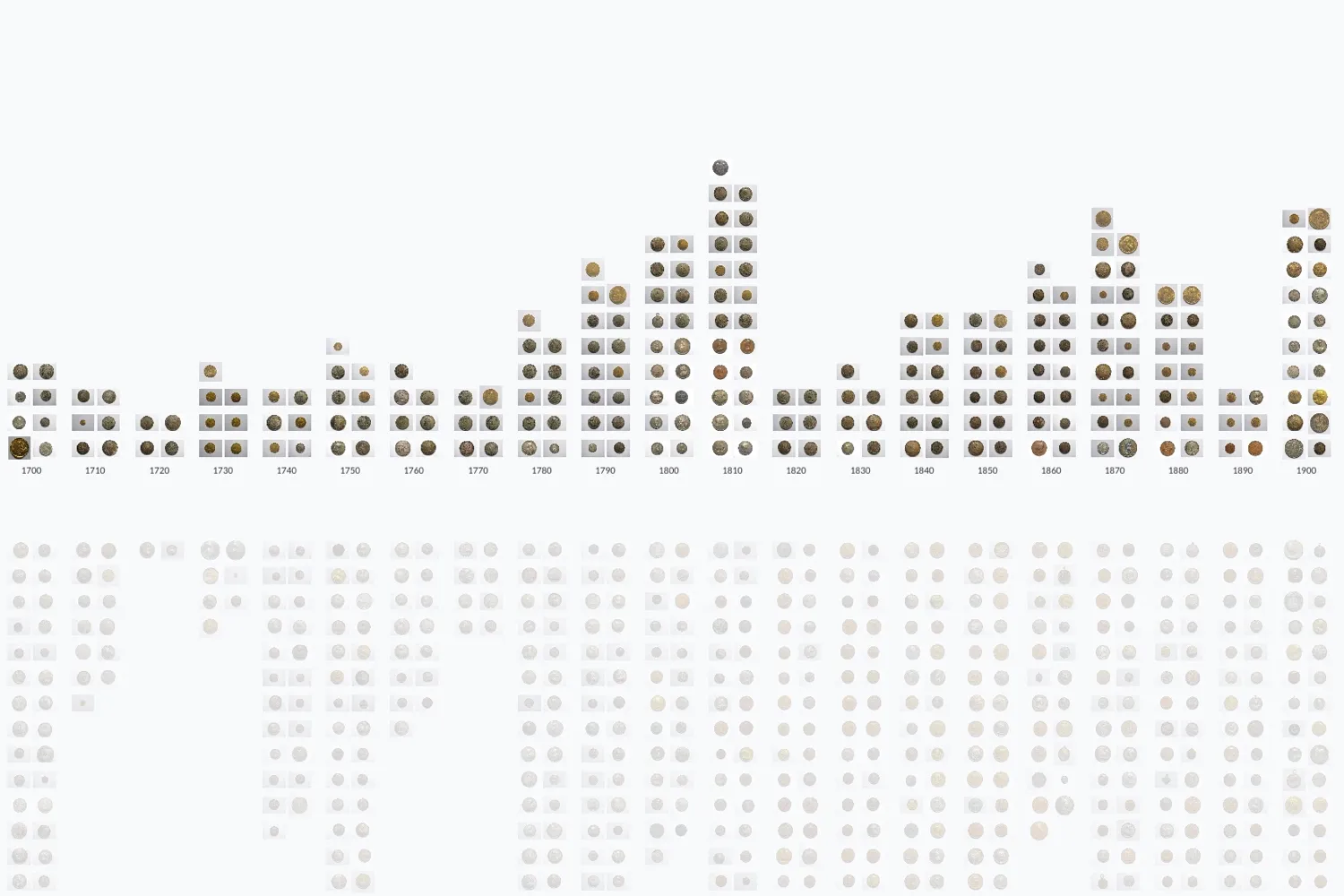
The software generalizes the code behind Past Visions, our visualization of Frederick William IV’s drawings developed with Katrin Glinka and Marian Dörk: the goal was to transform a collection-specific prototype into an open-source tool that any institution can deploy on its own holdings.
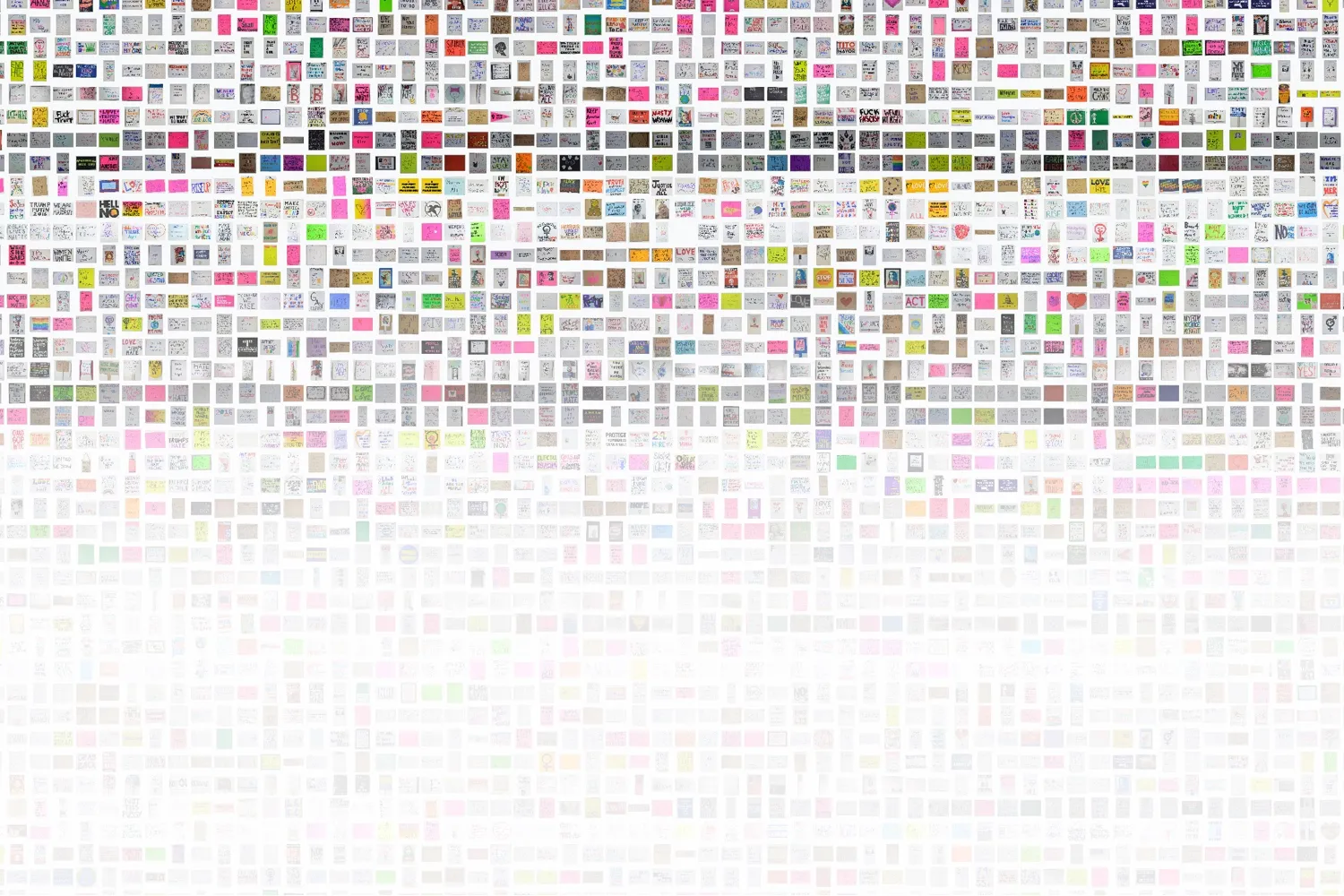
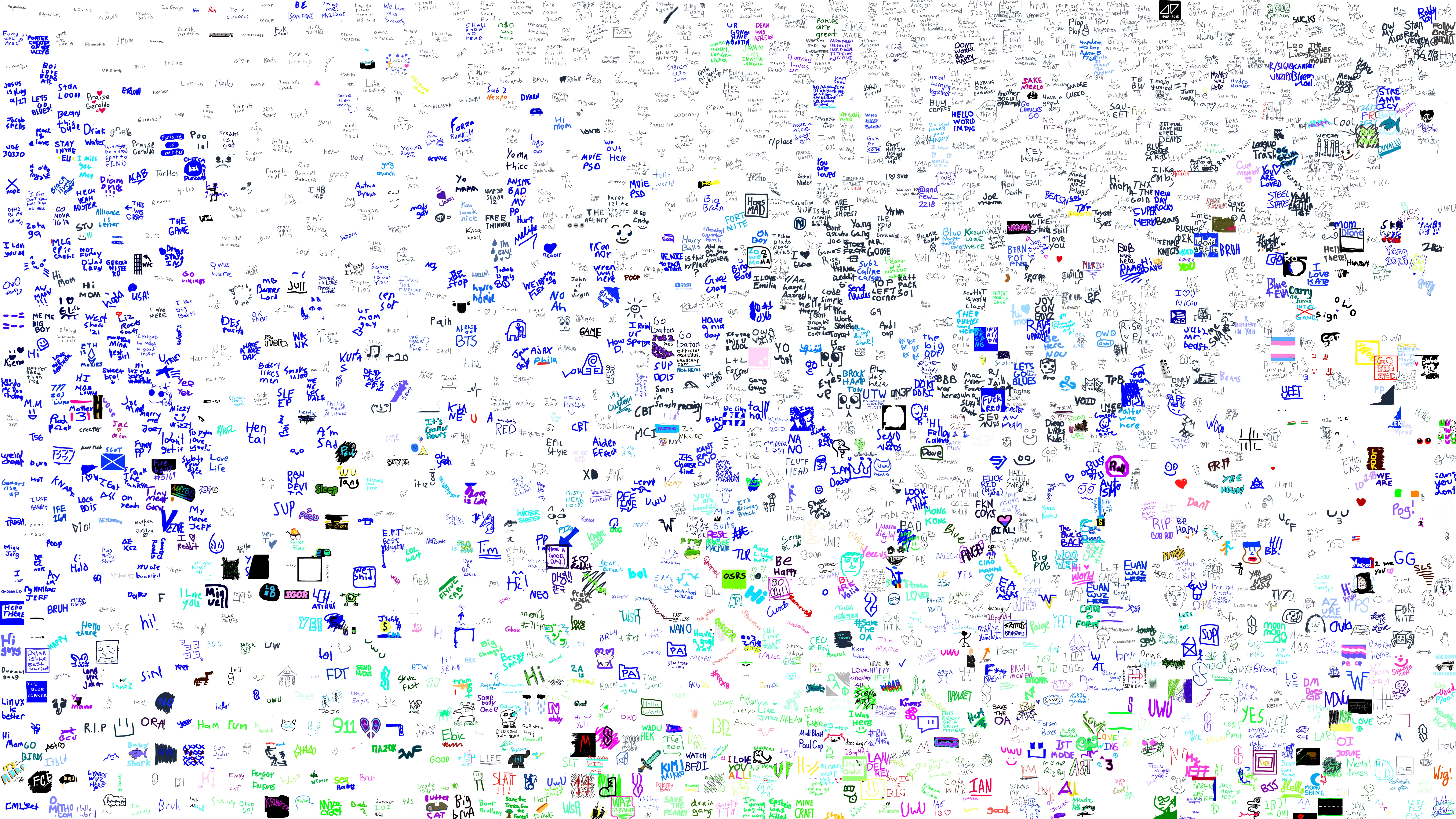
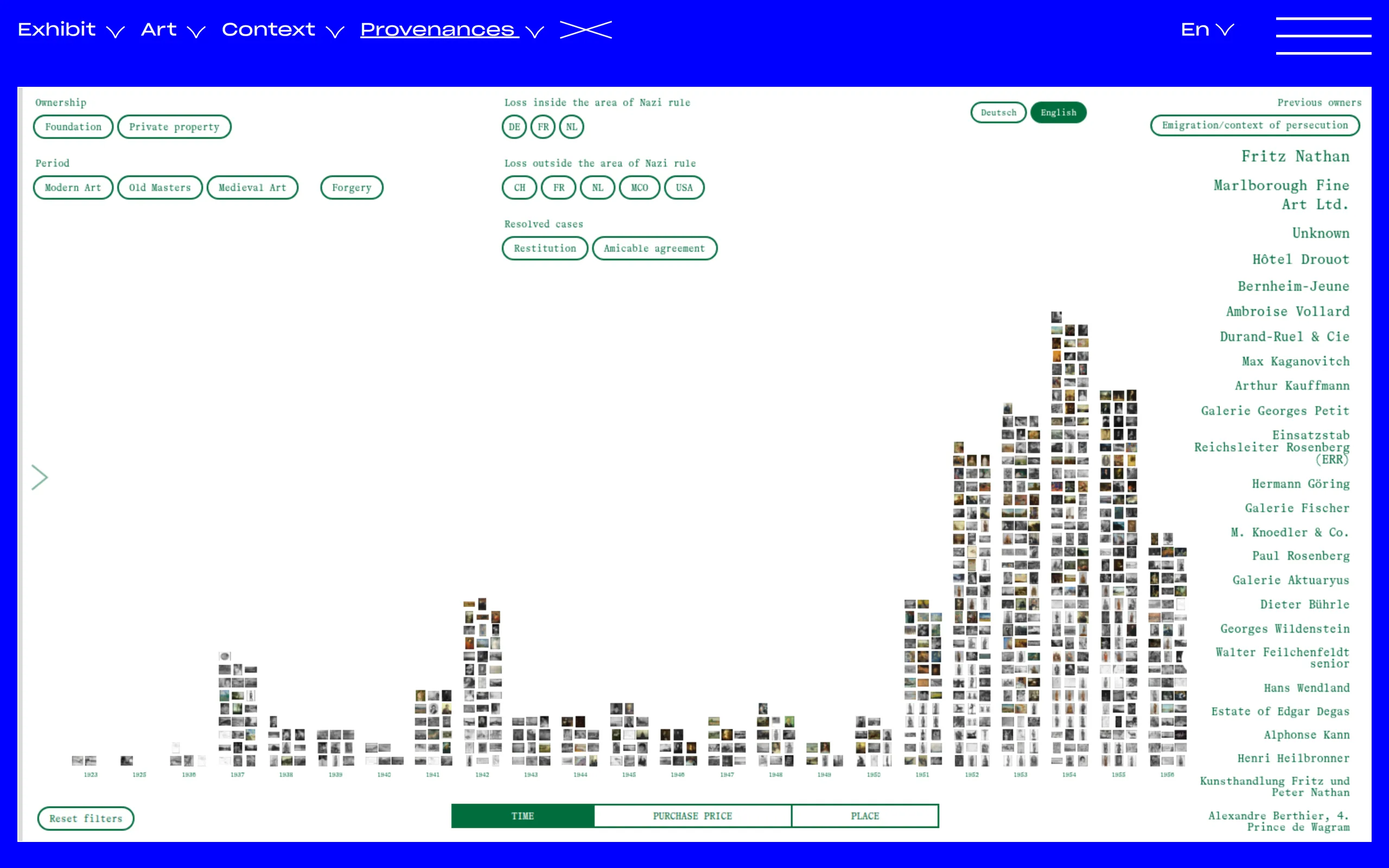
That worked. Beyond the deployments I built (including FW4, Goethes Ausleihen, RECS Flugschriften, Sammlung Burggrafen, Van Gogh, Art of the March, and the Bührle Collection for Kunsthaus Zürich), the system has been picked up by others: among them the Swedish National Heritage Board’s timeline of Nationalmuseum paintings, the Williams College Museum of Art’s Collection Explorer, the University of Hamburg’s INEL corpora of indigenous Northern Eurasian languages, and Rice University’s imagineRio. I also joined Surprise Machines, metaLAB (at) Harvard’s visualization of Harvard Art Museums’ image collection, as a collaborator, helping build the prototype and bringing my experience with large image-collection interfaces.
Around the viewer grew a small open-source toolchain. vikus-viewer-script prepares a collection’s images as textures and sprite sheets for each zoom level, packed by my sharpsheet library. The vikus-IIIF-generator goes a step further: point it at a IIIF collection and it crawls the images, computes a similarity layout with CLIP and UMAP, and hands back a ready-made viewer as a ZIP. That work was made possible through the Swiss Art Research Infrastructure, as part of Bilder der Schweiz Online.
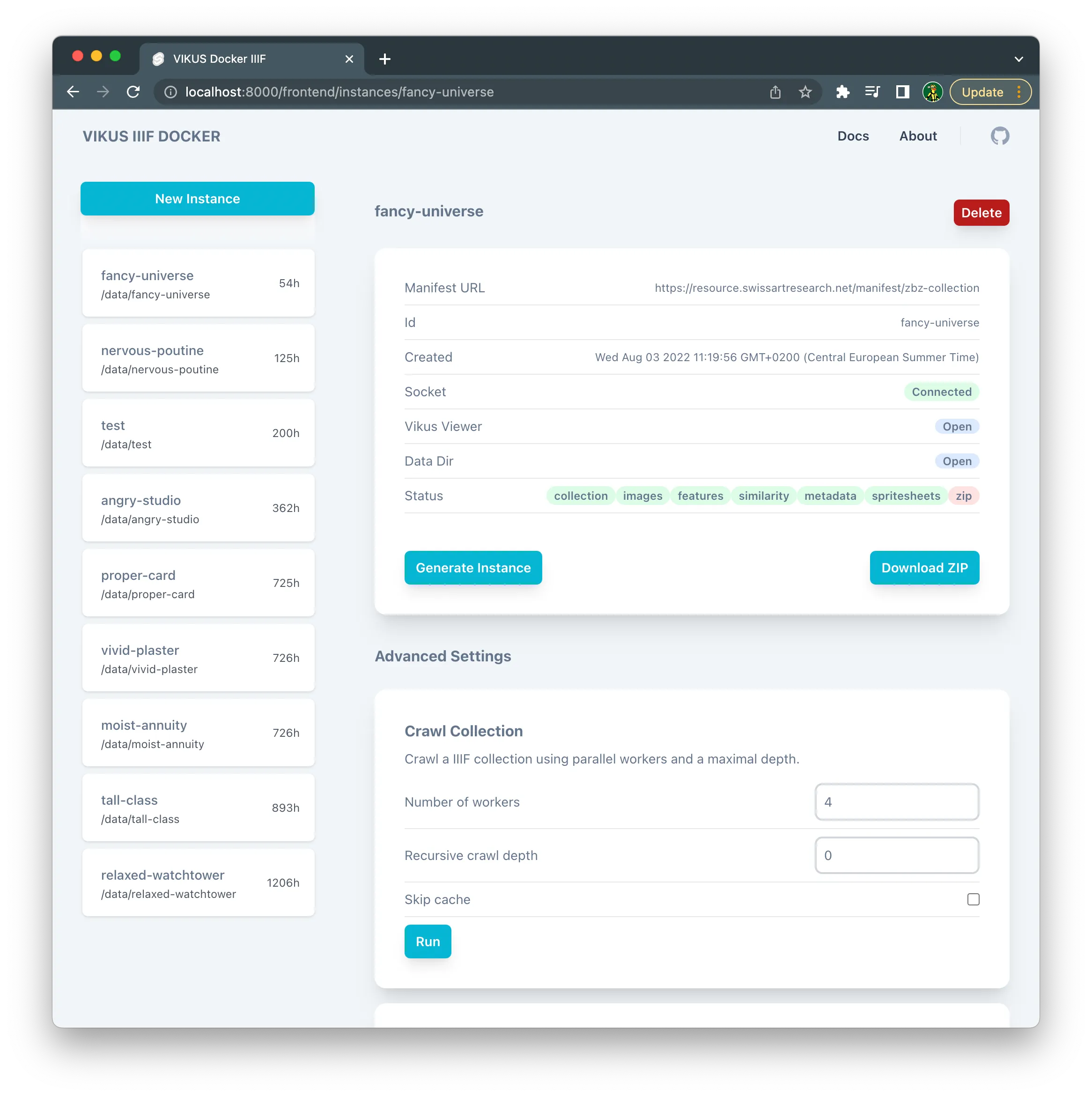
VIKUS Viewer keeps growing. A similarity layout, which arranges images by visual likeness instead of date, was implemented for the Max Planck Institute for the History of Science’s Sphaera project. Since late 2024 the viewer has gained faceted filters, annotations and hierarchical keywords, and a hosted build on GitHub Pages opens any collection from a link to its config file: Past Visions, for example.
The project was carried out in cooperation with the Urban Complexity Lab, the Prussian Palaces and Gardens Foundation (SPSG), the Research Center Sanssouci (RECS), and Forschungsverbund Marbach Weimar Wolfenbüttel (MWW).
Images
Left and right arrow keys flip through the pile, Enter enlarges the top image.