Visualizing the Bührle Collection
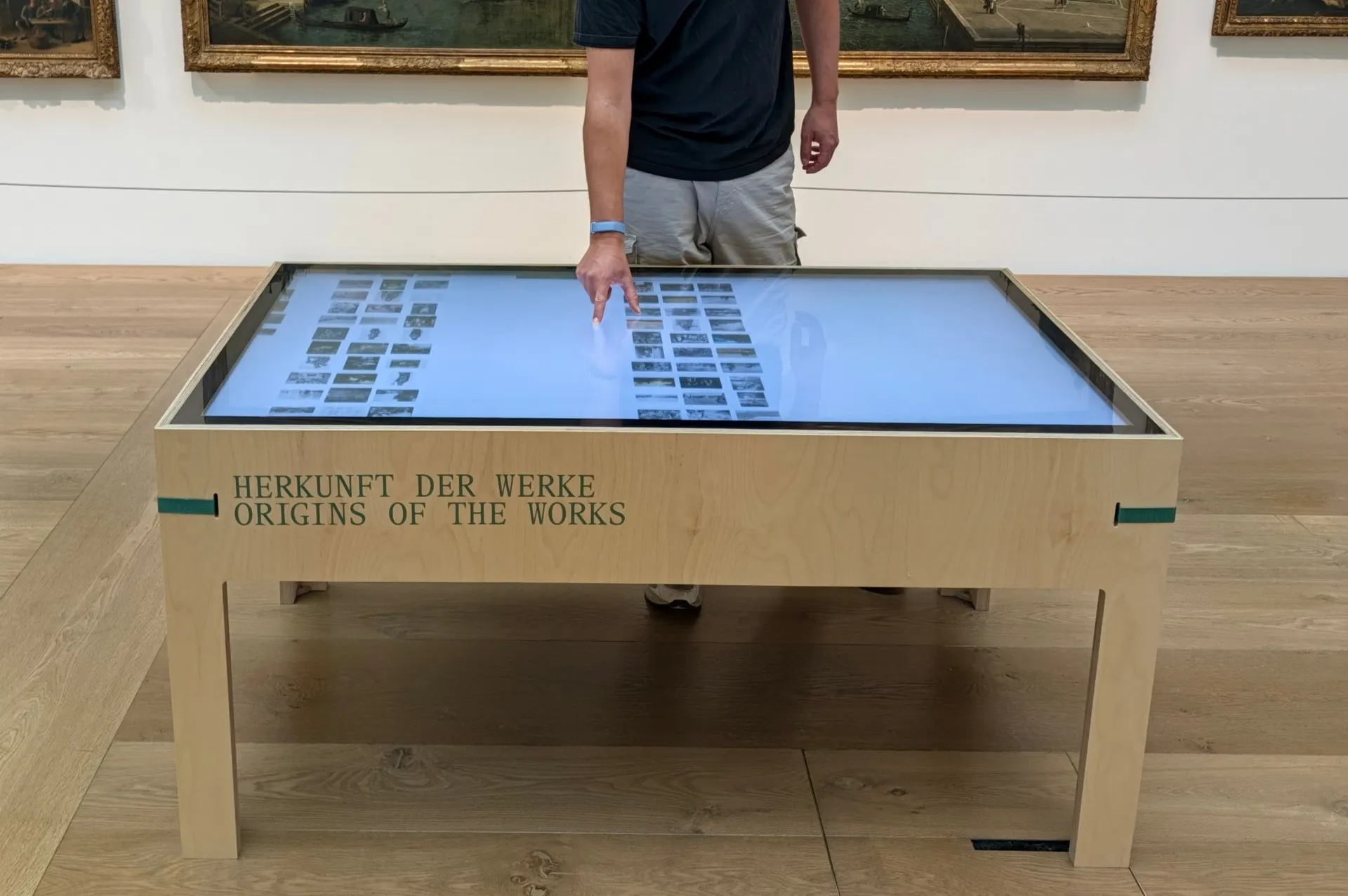
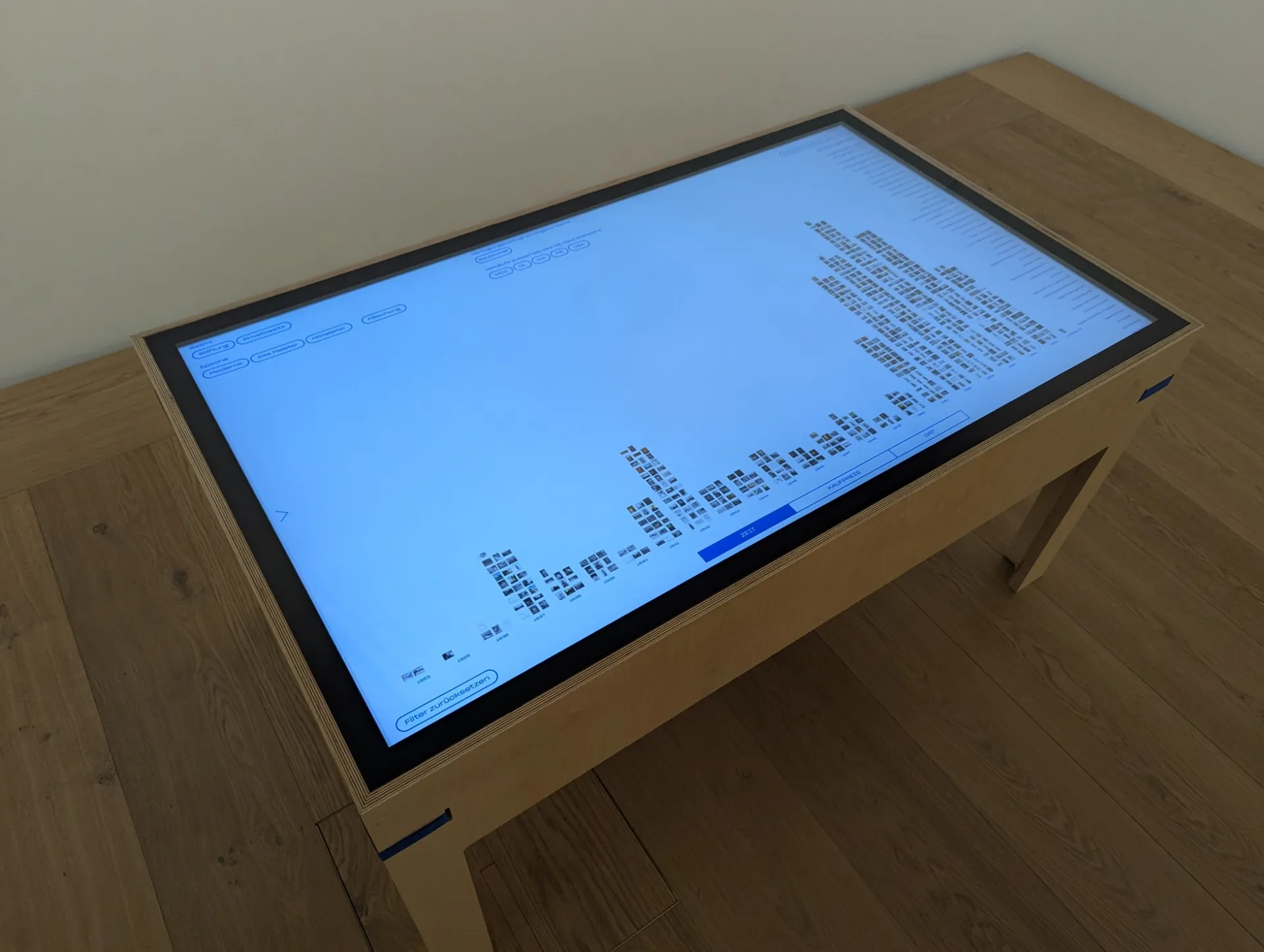
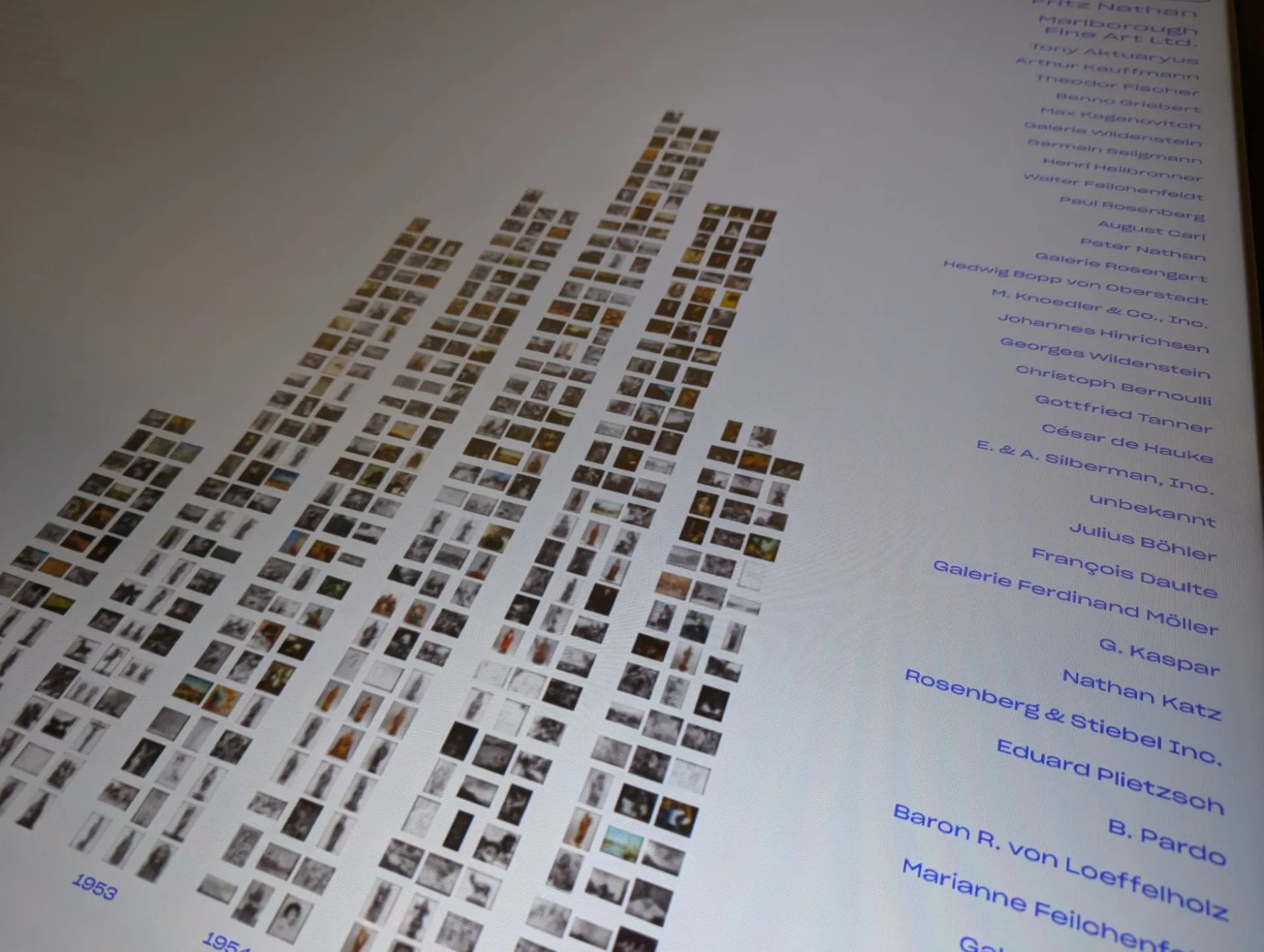
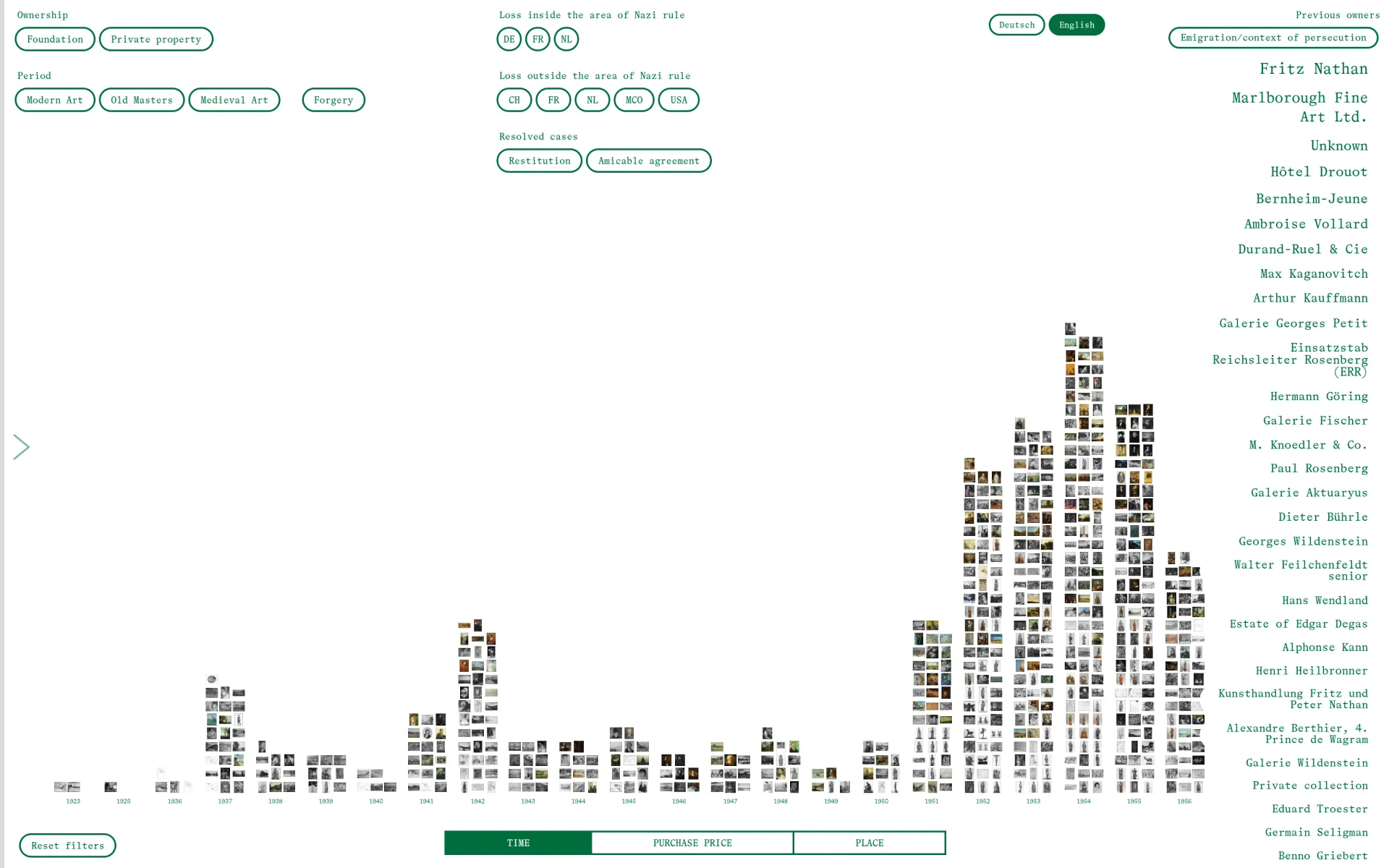
Arms manufacturer Emil Bührle's 633 acquisitions, ordered by year of purchase on a multitouch table at Kunsthaus Zürich and online, with their provenance and filters for the works that people persecuted by the Nazis lost between 1933 and 1945.
- Year
- 2023
- Type
- Cultural collections
- Exhibited
- A Future for the PastIn transition
- Commission
- Kunsthaus Zürich
- Role
- DesignCode
- With
- Joachim Sieber (Kunsthaus Zürich)Katja Häckel (Kunsthaus Zürich)
- Tech
- VIKUS Viewer, D3.js, PixiJS, Vue.js
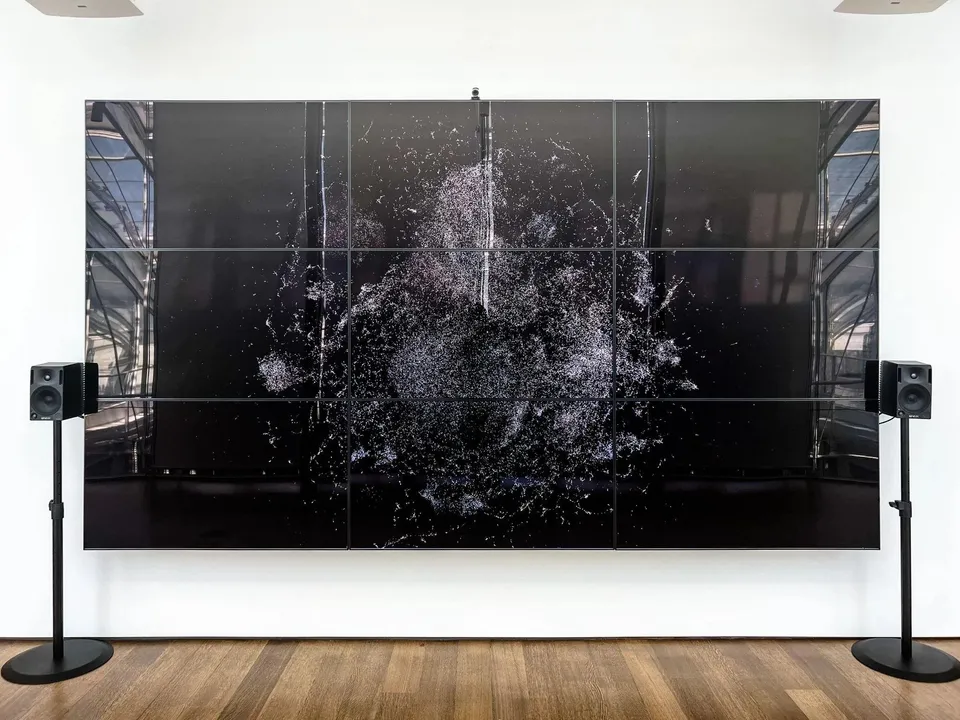
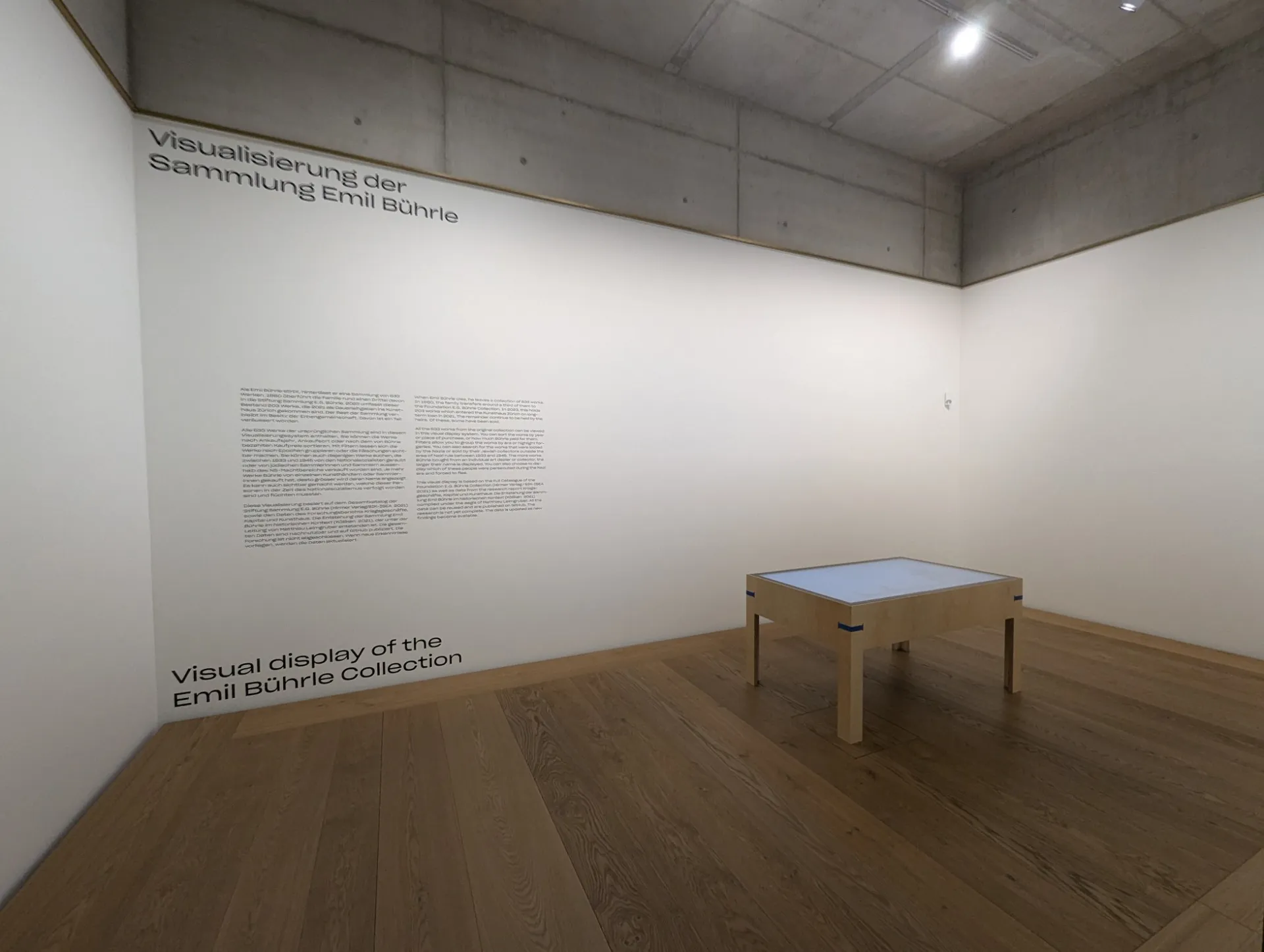
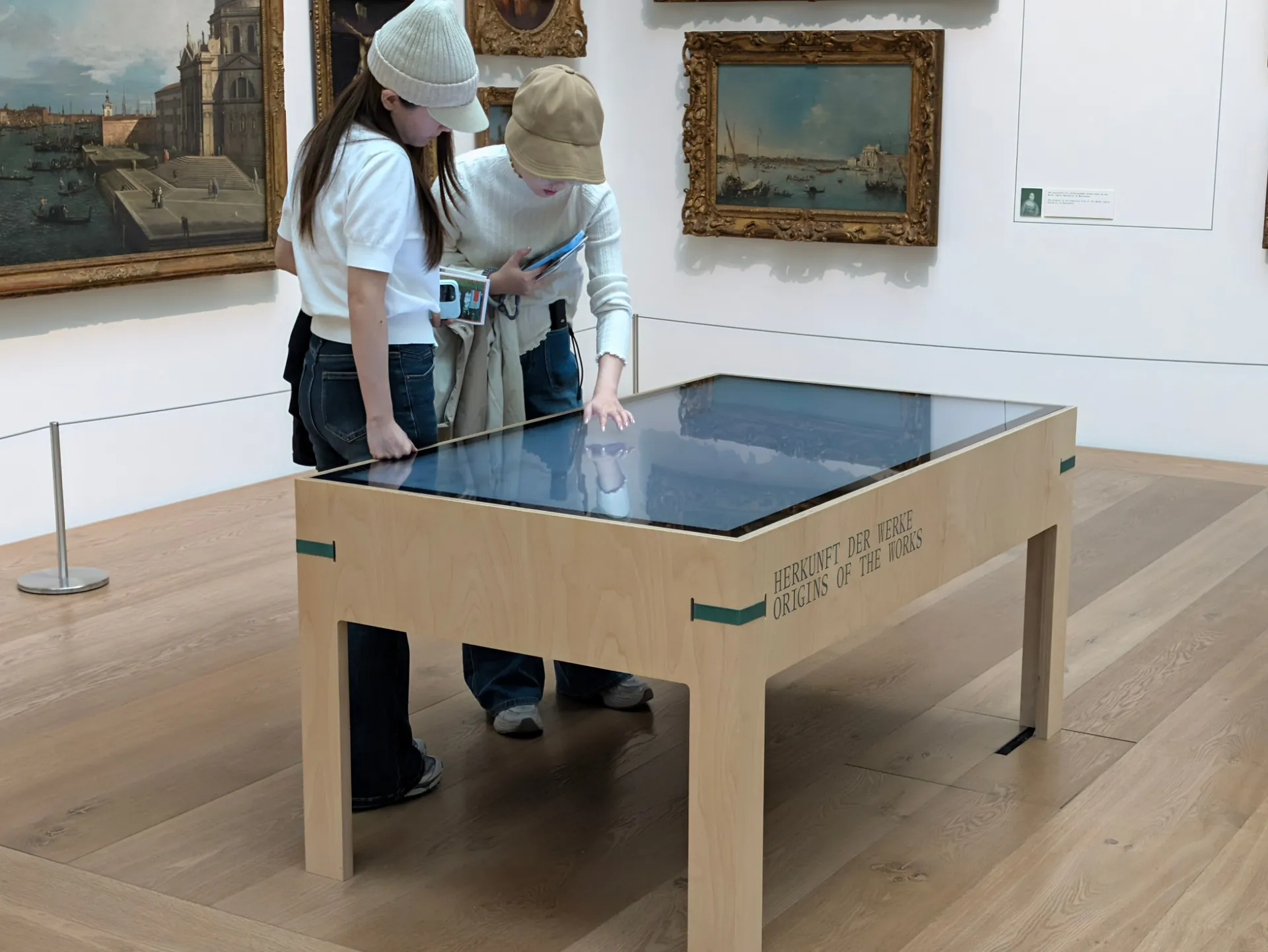
In the galleries of Kunsthaus Zürich, a large birch-wood multitouch table, set up by the museum and labeled »Herkunft der Werke / Origins of the Works«, shows all 633 works that the arms manufacturer Emil Bührle (1890–1956) had acquired by his death: one zoomable canvas, ordered along the timeline of his purchases, which also runs online. The collection, centered on Impressionist and Post-Impressionist painting, is of great art-historical value and extremely controversial: much of Bührle’s wealth came from arms sales, including to Nazi Germany, and some of the works had belonged to Jewish collectors persecuted by the Nazis. We created the visualization as a customization of VIKUS Viewer for the exhibition “A Future for the Past. The Bührle Collection: Art, Context, War and Conflict” (»Eine Zukunft für die Vergangenheit«, November 2023 to September 2025), which set the collection in that historical context. For the follow-up presentation “In transition” (2026) we updated it: the focus shifted to the works’ many previous owners and their provenance, an English version was added, and the blue interface turned green. In that presentation the paintings hang without labels, which makes the table the place to find out what they are and where they came from.
Beyond the year of acquisition, the works can be sorted by the price Bührle paid and by where he bought them. Filters group the works by period and pick out the works that people persecuted by the Nazis (Jewish collectors in particular) lost between 1933 and 1945, inside or outside the area of Nazi rule, through seizure or sale. The filters combine with one another (crossfiltering), a feature this customization introduced and that I later ported back into the open-source VIKUS Viewer. Each work opens a record with its provenance, exhibition history and literature, next to a high-resolution image.
The data draws on the foundation’s complete catalog (Hirmer/SIK-ISEA, 2021) and on the research report »Kriegsgeschäfte, Kapital und Kunsthaus« (2021), produced under the direction of Matthieu Leimgruber. It is published as open data on GitHub under CC BY-NC-SA 4.0 and will be updated as the research continues. The visualization lives on the exhibition’s website, alongside its texts, audio statements and visitor survey, and also opens on its own.
Like many of my VIKUS Viewer projects, it is tailored to what the institution needed; the viewer’s code is open source. I developed it together with Joachim Sieber of the Kunsthaus, my main sparring partner, and later with Katja Häckel, also of the Kunsthaus.
Images
A Future for the Past, Kunsthaus Zürich, 2023
Left and right arrow keys flip through the pile, Enter enlarges the top image.